

R100% broadband upgrades reach 57,000 Scottish properties
Over 57,000 Scottish properties in hard to reach areas now have access to Full Fibre through R100.
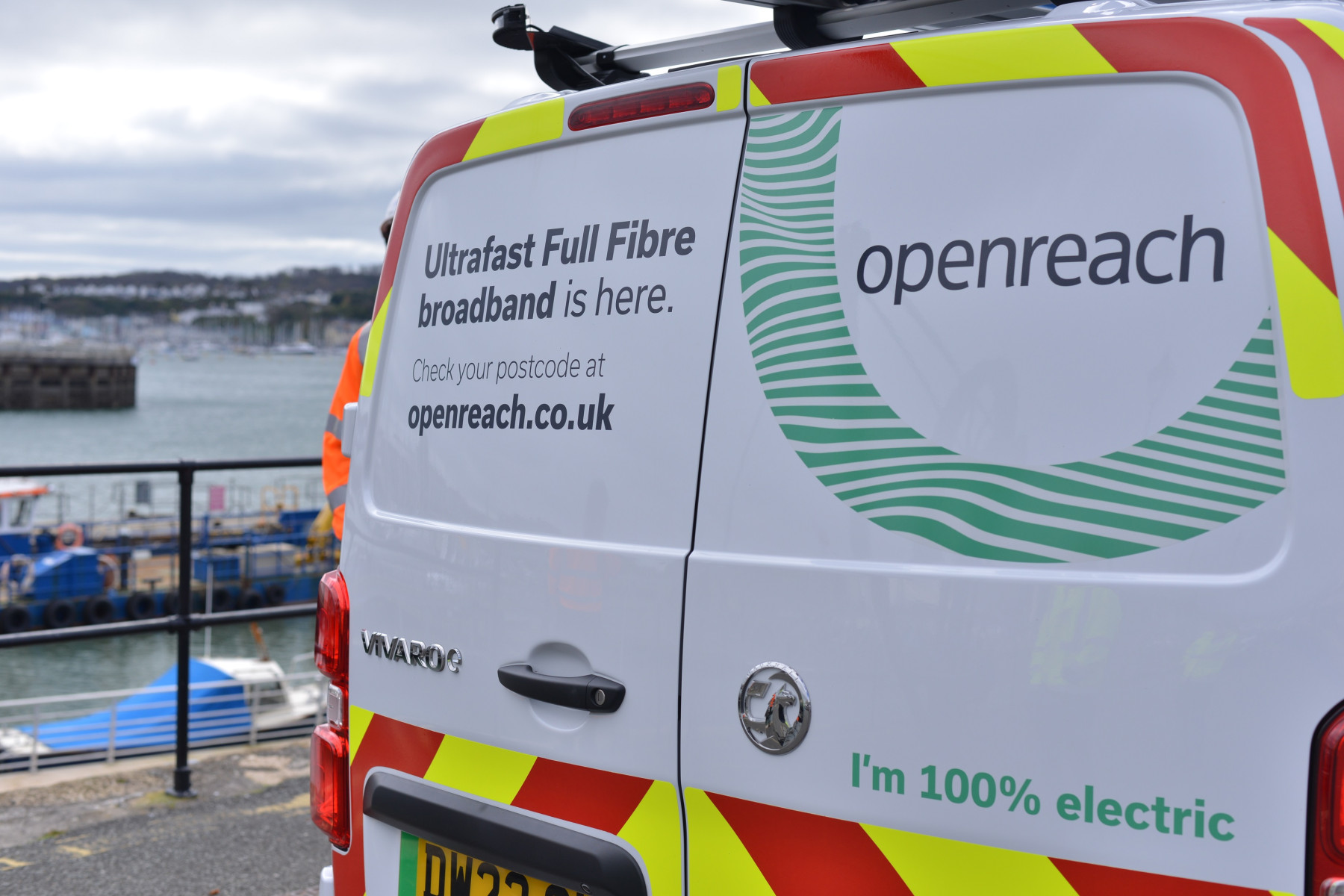
More than 57,000 of Scotland’s hardest to connect households and businesses can now get connected to the UK’s most reliable broadband 1 through the Scottish Government’s Reaching 100% programme.
The £600m R100 rollout has delivered to remote and rural properties in over 200 places in the first half of this year, from the Shetland islands of Yell and Whalsay to Stranraer and Wigtown in Dumfries and Galloway and across the Atlantic to Argyll’s Isle of Seil.
Over 5,950 households and businesses in Aberdeenshire and more than 6,500 in Scottish Borders now have access to full fibre internet connections, with the build ramping up in Moray and Stirlingshire as work continues this summer.
Delivery partner Openreach today confirmed the R100 build is due to start in dozens more places before the end of the year, including the Hebridean island of Mull, Westray and Rousay in Orkney and Kilchoan in the Highlands.
Full fibre broadband is more than 30 times faster than the Scottish Government’s original commitment to make superfast services available to homes and businesses with existing connections of less than 30 Megabits per second (Mbps).
People can check if the rollout has reached their address yet and register for progress updates at www.openreach.co.uk/r100. Once full fibre is available, people need to arrange for their service to be upgraded through their chosen provider. This R100 video explains the build and order process.
Scottish Government Employment and Investment Minister Tom Arthur said: “Digital infrastructure is a key enabler of economic growth and an increasingly vital part of our everyday lives. It’s why the Scottish Government is committed to ensuring communities across the length and breadth of the country will benefit from full fibre broadband and making record investment of over £600 million in its rollout.
“The R100 programme is a critical part of the upgrade to full fibre technology. As one of the most ambitious and complex digital infrastructure programmes in Europe, it is delivering future-proofed digital connectivity across the country and enabling more homes and businesses – including in our island and rural communities – to access a fast and reliable connection.
“It’s exciting that thousands more premises are now able to access a full fibre connection, and we’ll continue to work with Openreach to deliver further connections up and down the country.”
Katie Milligan, Openreach Chief Commercial Officer and Chair of its Scotland Board, said: “The R100 build is a monumental effort to upgrade and connect Scotland’s most challenging locations. More than a thousand people are working on the build, with three million metres of new cable installed so far this year – enough to run up and down the A9 seven times.
“Our teams are all set for a busy summer, expanding full fibre infrastructure in areas like Moray and Stirling alongside more island upgrades. Protecting nature and wildlife is paramount in these sensitive rural and remote environments.
“We’re seeing really positive, steady growth in take-up across the country, so I’d encourage people to check our website to see if they can upgrade.”
Full fibre broadband provides more reliable, resilient and future-proof connections; with fewer faults; consistent speeds and enough capacity to meet ever-growing data demands across multiple devices.
It supports everything people do online at home, including streaming movies, TV and sport as well as online gaming, with a lot less buffering and slowdown at busier times.
For businesses, a full fibre connection can help with productivity, efficiency and security and support everyday operations like video calls, staff training, online banking and interactions with customers.
Research from the Centre for Economics and Business Research (Cebr) last year predicted that full fibre across Scotland could add £4.5 billion to the nation’s economy by 2030.
















