

Openreach slashes plastic use with recycled home broadband kit
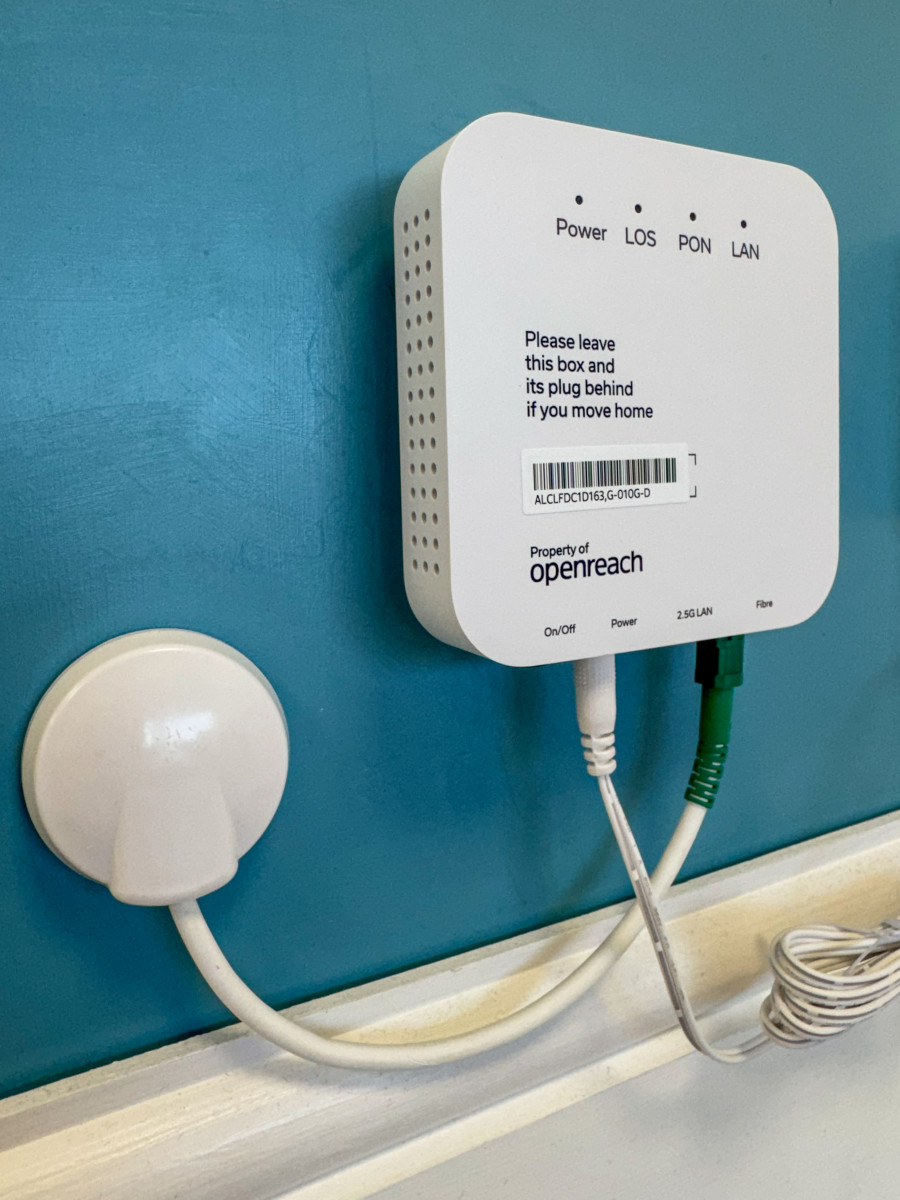
Openreach, the UK’s largest wholesale broadband network, has committed to remove 100 tonnes of plastic from its supply chain, by using new ‘modems’ to connect customers to its full fibre network.
The business is launching a range of new Optical Network Terminals (ONTs) - the wall-mounted box of electronics that converts optical signals into electrical ones used by household devices, with re-engineered casings made from 85[1] per cent recycled plastic.
Engineers installed around two million ONTs last year and the company expects to install even more this year as more and more customers upgrade to Full fibre - the UK’s most reliable broadband technology.
The move is one of a number of initiatives under Openreach’s “Let’s Reach Zero” strategy — a commitment to reach net zero emissions in its operations by 2031.
Abby Chicken, Head of Sustainability for Openreach, said: "Our mission - to build the UK’s best full fibre future - will deliver a more sustainable, reliable network and serve as the digital platform for a greener economy. We recognise the environmental impact of building that future, and that’s why we’re committed to using fewer materials and reducing waste. Our new recycled fibre kit is a big step forward, removing 100 tonnes of new plastic from our supply chain every year.”
Dirk Verhaegen, head of Fixed Networks Broadband Devices at Nokia, added: “Openreach’s ‘Let’s reach zero’ strategy is a great initiative that we are excited to be a part of. Together, we were able to design an ONT that drastically reduces the amount of plastics used to manufacture the product. We’ve also taken an active role in redesigning our packaging, ensuring it uses 100% recyclable materials and is more compact and efficient, helping to cut shipping CO2 emissions by 60%. We commend Openreach for its ongoing commitment toward creating a sustainable future and finding new ways to reduce the materials and waste of the technology they deploy,”
The new ONT models – launching this summer – will cut 100 tonnes of new plastic from the company’s manufacturing process, the equivalent of eight double-decker buses in weight.
Openreach is working with partners such as Nokia, Adtran, Zyxel and Sercomm to manufacture the new kit – with casings made from re-cycled plastic pellets. The pellets come from a variety of sources based on the plastic family of polycarbonate (PC), including recycled casings for laptops, tablets or phones, personal safety equipment like face shields and glasses, medical devices, and from headlights, taillights and interior trims in the automotive industry.
The company has also re-designed the packaging that ONTs arrive in, working with Nokia, to reduce the amount of cardboard it uses by 30 per cent. The space saving this produces is allowing for 40 per cent more ONTs to be delivered in every shipping container, helping to make its supply chain even more efficient.
Openreach is now looking to adopt the ‘greener’ packaging with other suppliers.
The recycled units are an integral part of Openreach’s commitment to creating a more sustainable communications network with the rollout of full fibre broadband technology.
Taking virgin plastic out of the supply chain contributes to Openreach’s Let’s Reach Zero strategy, helping to reduce CO2 emissions by avoiding the use of fossil fuels to create virgin plastic. The business has a long tradition of working with suppliers to reduce the amount of plastic and components and a target to remove Single Use Plastics (SUPs) from its top 25 most consumed lines.
[1] The manufacturing process uses the maximum amount of recycled plastic that can be used (85 per cent) without compromising the structural integrity and strength of the ONT casing.
Notes to editors
Openreach’s “Let’s Reach Zero” strategy focuses on three core pillars:
1. Reducing carbon emissions by switching to an electric fleet and using renewable energy
2. Cutting waste and using less materials through circular economy practices
3. Protecting nature by building responsibly and supporting biodiversity projects across the UK.
Openreach commissioned the Centre for Economics and Business Research (Cebr) and Stantec to produce a joint report into the impact of our rollout of Full fibre broadband across the nations and regions
Experts forecast that a nationwide full fibre network will help drive annual savings of 258 million commuter trips made by car- equal to over 320,000 tonnes fewer of carbon dioxide emitted annually from 2034, more than the current CO2 emissions of the entire telecoms industry.
Fibre is also five times more resilient than traditional copper – meaning fewer faults, so fewer engineer callouts with fewer miles travelled, and less energy consumed.
















