

London flats risk missing out on Full Fibre broadband
More than 600,000 flats and apartments in London could miss out on a vital Full Fibre broadband upgrade.
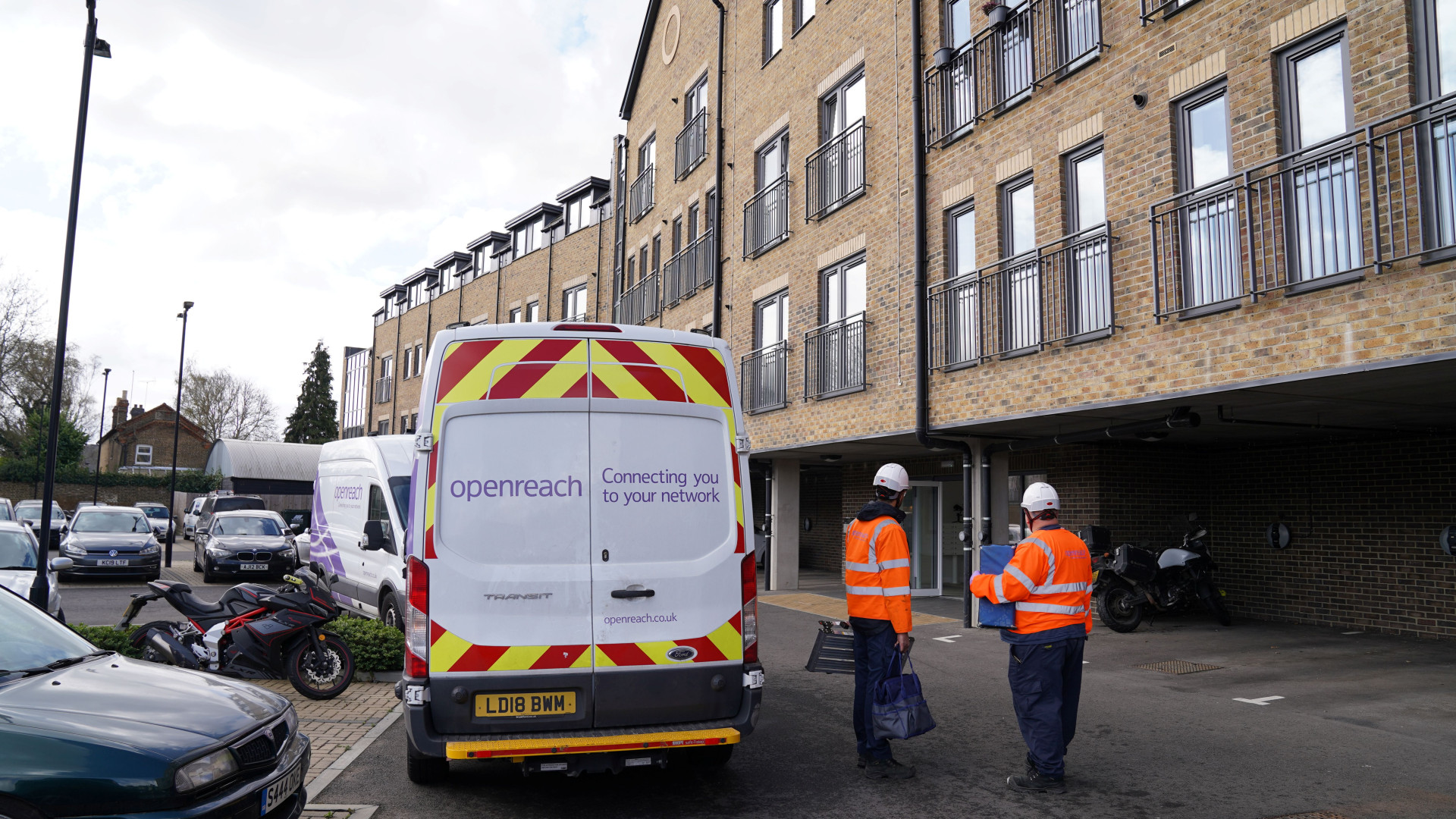
Hundreds of thousands of homes and businesses across London risk missing out on the UK's most reliable broadband technology[1] due to red tape, which is blocking upgrades to apartment buildings and flats.
More than 1.8m properties in the capital have access to gigabit-capable, ultra-reliable Full Fibre broadband through Openreach’s network – around a quarter of which have made the switch.
However, around 600,000 flats and apartments could be left without the Full Fibre upgrade because Openreach still need access or wayleave agreements to be signed by landlords and property owners.
Right now, Openreach can use its existing wayleave agreements to enter communal areas in flats and repair its older copper network, but it can’t use the same rights to install the latest technology.
A simple change to the Renters' Rights Bill – which has already been proposed[2] and is being debated in parliament – would give tenants the right to request Full Fibre broadband from any provider, in a similar way to that being proposed to enable tenants to have a pet.[3]
Clive Selley, Openreach CEO, warned: "While the majority of London’s homes and businesses are going to benefit from our massive investment in transformational broadband technology, hundreds of thousands of flats are at risk of missing out.
“It’s possible that some people will be stuck with slower connections for years whilst their neighbours enjoy gigabit-capable, ultra-reliable broadband – which research suggests will boost productivity and prosperity. There’s a real risk of harming the UK’s growth potential, which is why we think the Government needs to act.”
Openreach is working with some housing groups to bring Full Fibre to more flats and apartments – including around 8,000 owned by Barnet Homes in the Borough.
Whilst Openreach can use existing permissions to maintain older connections to homes and businesses in so called ‘Multi Dwelling Units’, it can’t use them to install the latest technology. The process is also complicated frequently by challenges in contacting landlords.
Openreach estimates the law change could unlock many of the estimated one million premises in UK flats or sub-divided houses where it has built Full Fibre to the door but hasn’t been able to gain access.
Campaign groups like Generation Rent, who advocate for the rights of private renters in the UK, have joined calls to change the law.
Dan Wilson Craw, Deputy CEO of Generation Rent, said: “Private renters have long faced second-class treatment, and the Renters’ Rights Bill goes a long way to correct this, including a new right to ask your landlord if you can keep a pet. But renters are also more likely to live in blocks of flats where decent broadband is hard to come by, at a time when we’re increasingly reliant on good internet connections and the ability to work from home is essential for many of us.
“A similar amendment to the Renters’ Rights Bill would cost taxpayers nothing and give tenants the right to choose – the same way millions of other people already do in the UK.”
[1] Data provided by Ofcom’s UK Home Broadband Performance report September 2023.
[2] See page 14 of the running list of amendments to the Renter’s Rights Bill here.
















