Openreach engineers 20m milestone

Reducing our carbon footprint

We’re reducing carbon emissions across our operations, our network and our supply chain as part of our commitment to reach Net Zero.

We have a science-based Net Zero target of 2031 for our own operations and 2041 for our supply chain, and we’re focused on practical actions that reduce emissions where we can have the greatest impact - from how we build and run our network to how our engineers travel and how we work with partners.

How are we reducing our carbon footprint?

We have a Net Zero science-based target of 2031 for our own operations and 2041 for our supply chain, and we’re working to reduce emissions in our fleet, our network and with our partners.
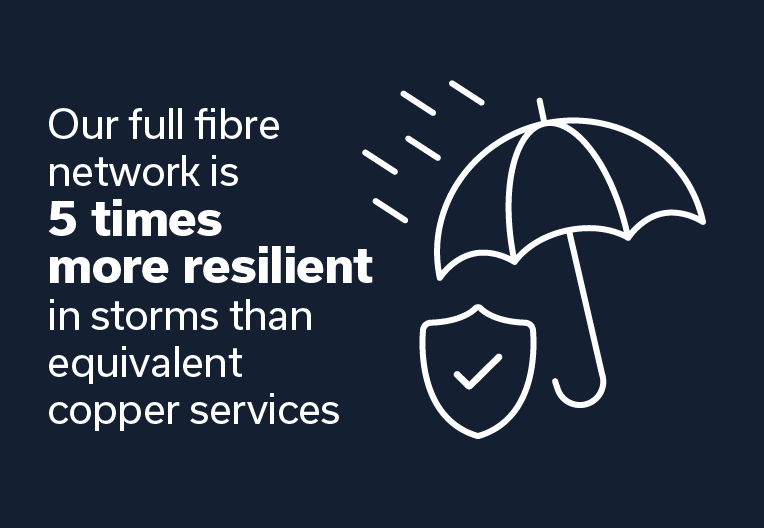
Fibre Resilience ArtWork Card
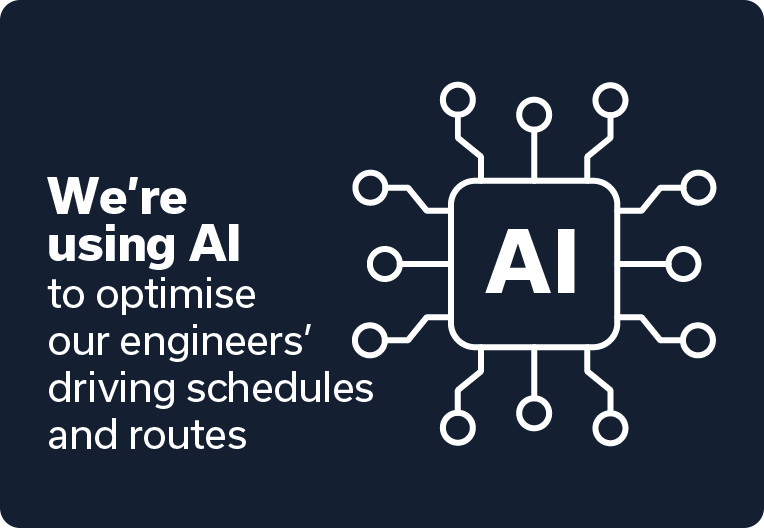
AI Driving Routes Infographic
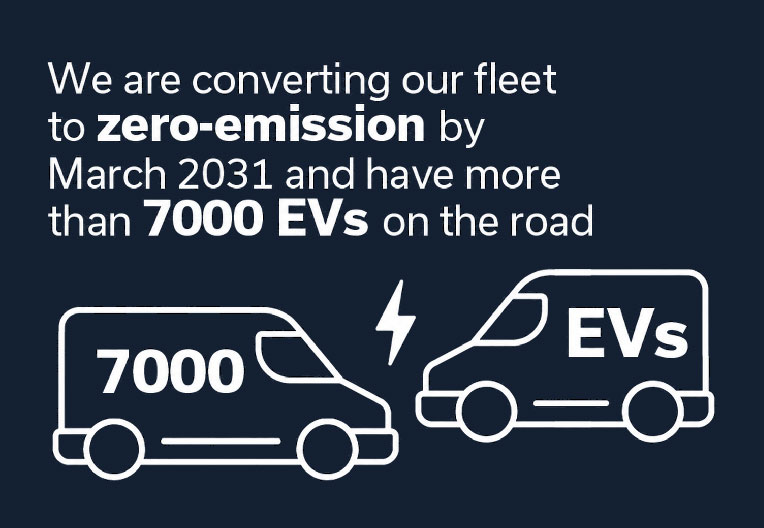
Icons of two electric vehicles with text
  • Transcript

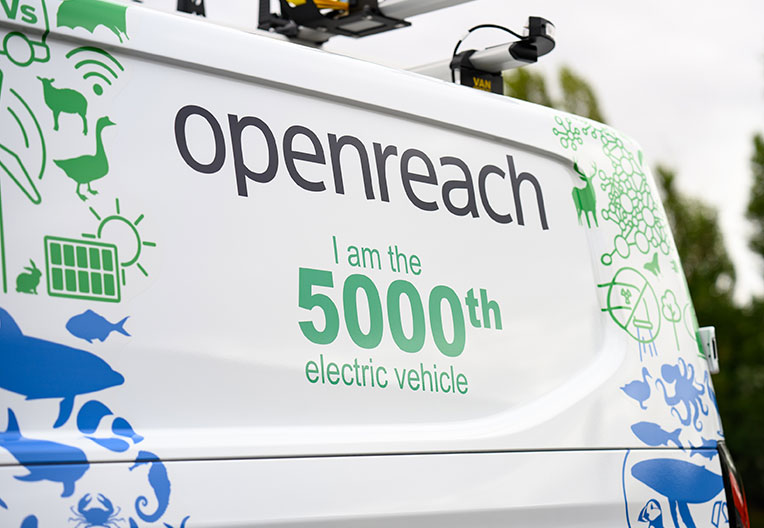
    So we're here today because we're really, really proud to celebrate our 5,000th EV.

    Reaching 5,000 is a major milestone for us as a business and we're very, very proud in what we're doing in order to underpin the sustainability targets and our ambition to achieve net zero.

    As the operator of one of the biggest commercial fleets in the UK, it's really important that we transition our fleet both for carbon emissions but also for respiratory health and pollution.

    So this is a huge milestone for us.

    By the end of this year we'll have more than a third of the van fleet will be converted to zero emissions.

    The 5,000th EV in our fleet looks a bit different to Openreach vans you'll have seen before.

    This is our sustainability identity.

    It's called 'Let's Reach Zero' and features a load of artwork around sustainability.

    We've loved being part of the process and bringing this wrap to life.

    We've been part of the design, production and installation and we've enjoyed being a part of every step.

    Let's Reach Zero is the Openreach sustainability strategy and it covers three key themes.

    They are lowering our emissions, using less and wasting less and becoming nature positive.

    And the EV is a key part of what we're trying to do.

    We are a huge part of the problem in the nation.

    We drive one of the biggest van fleets.

    This transition is us being part of the solution as well.

    What's really important for EVs, especially from a fleet perspective, is they're more reliable, they're more cost efficient and effective and actually for the engineer again, from a safety perspective, they're less likely to breakdowns, be stranded on the side of the road.

    Once engineers are in the EVs they love them.

    Where I live there's quite a lot of charging points.

    So it's so easy. When I stay on patch the charge lasts for a couple of days at least.

    I'd probably never go back to a diesel now for my works vehicle. They're just so much more comfortable to drive.

    At the end of the year we're on a mission to be at 7,000 EVs.

    And the good thing about it is that it's a mixture of large, medium and small.

    And we want to make sure that our engineers are in the right EV for their role, so these are data-led decisions.